

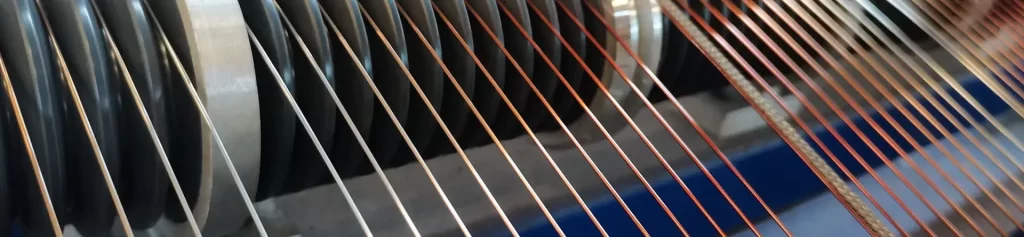
Dry-type transformers typically feature windings made from either copper or aluminum magnet wire (also known as enameled wire or winding wire). These windings are the conductive coils within the transformer responsible for drawing power from the source and transferring it to the load. While the function of the winding remains the same regardless of the conductor, the choice of raw material—copper or aluminum magnet wire—plays a critical role in the transformer’s performance, cost, and longevity.
For transformer manufacturers and repair shops, selecting the right type of winding wire is a foundational decision. The choice depends on the end-user’s application, budget constraints, and performance requirements. Below is a detailed comparison of copper and aluminum magnet wire as raw materials for transformer windings, along with insights to guide material selection.
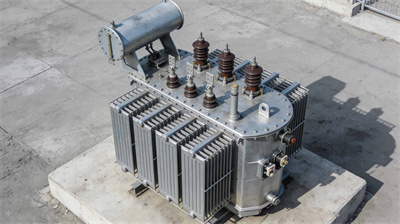
The Role of the Conductor in Transformer Performance
Transformer windings are wrapped around a laminated steel core, creating the transformer’s magnetic circuit. When alternating current flows through the primary winding, it generates a magnetic field that induces voltage in the secondary winding. The efficiency of this energy transfer depends heavily on the quality and properties of the conductive wire used.
The magnet wire must offer excellent conductivity, durability, and thermal stability to ensure the transformer operates reliably over its intended lifespan. As a leading supplier of high-quality winding wire, we ensure that our copper and aluminum products meet the exact specifications required for modern, efficient dry-type transformers.
Key Differences Between Copper and Aluminum Magnet Wire
While both materials serve the same fundamental purpose, their physical and electrical properties differ significantly. Transformer builders must consider these differences carefully when sourcing materials, as they directly impact transformer design, performance, and cost.
Conductivity and Cross-Sectional Area
Copper is the industry standard for electrical conductivity. A copper magnet wire of a given gauge has higher ampacity, meaning it can carry more current than an aluminum wire of the same size. In contrast, aluminum has only about 62% of the electrical conductivity of copper. To achieve the same current-carrying capacity, aluminum magnet wire requires a larger cross-sectional area—approximately one and a half to two sizes larger in AWG—which directly affects the physical size of the transformer coil.
Physical Properties and Mechanical Strength
Copper is inherently stronger and more ductile than aluminum, boasting higher tensile strength. This makes it more resistant to breaking during the coil winding process and ensures the windings maintain their shape under the high mechanical stresses caused by fault currents (short circuits). On the other hand, aluminum is softer and more malleable; while this can simplify forming in some cases, it also makes the wire more susceptible to nicks, scratches, and deformation during winding. Its lower yield strength demands more careful handling and specialized winding equipment to prevent conductor damage.
Weight and Material Costs
Aluminum’s primary advantages lie in its weight and cost. It is roughly one-third the weight of copper, a significant benefit for large transformers where weight limits are a concern. Additionally, aluminum is generally more cost-stable and cheaper on a per-pound basis, offering lower initial material costs. Copper, while more expensive and historically volatile in pricing, offers superior conductivity that enables smaller, more compact coil designs. This can offset the price difference by reducing the amount of steel core material and enclosure size required.
Connection Reliability and Oxidation
Copper forms a conductive oxide layer, making terminations and connections straightforward and reliable when using standard connectors. Aluminum, however, forms a non-conductive oxide layer almost instantly when exposed to air, requiring special preparation and cleaning before termination. Furthermore, aluminum has a higher thermal expansion rate than copper or steel, which can cause connections to loosen over time if not properly secured with approved connectors (like CO/ALR rated devices) and anti-oxidant compounds. When properly prepared, aluminum connections can be reliable, but they demand stricter installation practices.
Choosing the Right Magnet Wire for Your Application
As a magnet wire manufacturer, we provide the raw materials that define a transformer’s quality. Your choice between copper and aluminum winding wire should align with the transformer’s intended market and application.
When to Choose Copper Magnet Wire
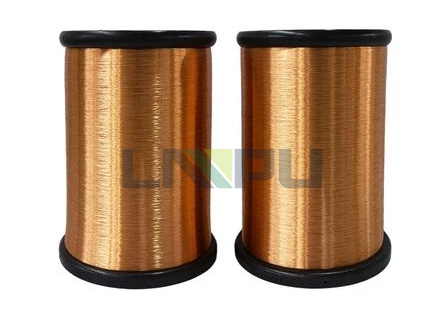
Copper magnet wire is typically the preferred choice for:
High-Performance Transformers: Applications where maximum efficiency and low heat generation are critical.
Compact Designs: Projects where space is limited and a smaller coil cross-section is required.
Critical Power Applications: Transformers destined for hospitals, data centers, or industrial sites where resilience against fault currents and long-term reliability are non-negotiable.
Harsh Environments: Settings where the wire must withstand vibration and mechanical stress without degrading.
When to Choose Enameled Aluminum Wire
Aluminum magnet wire is often the optimal choice for:
Cost-Sensitive Projects: Applications where initial material costs are the primary driver.
Weight-Restricted Installations: Large transformers where the significant weight savings of aluminum simplifies transportation and structural support.
Standard-Duty Transformers: Units designed for predictable, non-critical loads where the larger coil size is not a limiting factor.
Partner with a Trusted Magnet Wire Supplier
Whether you are winding a transformer with copper or aluminum, the quality of the enamel insulation and the precision of the conductor dimensions are paramount. At LP, we provide high-quality copper and aluminum magnet wire engineered to exacting standards, ensuring excellent windability and long-term performance for your dry-type transformer projects.