
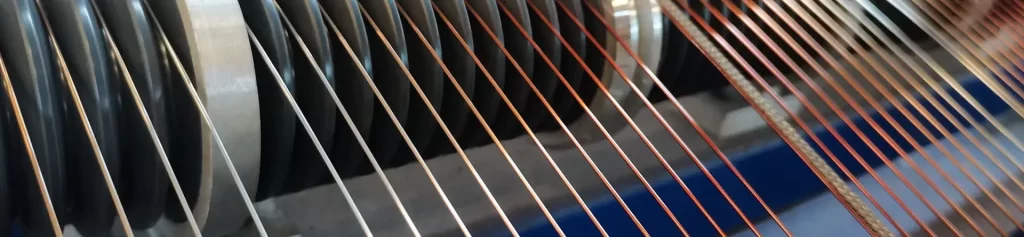
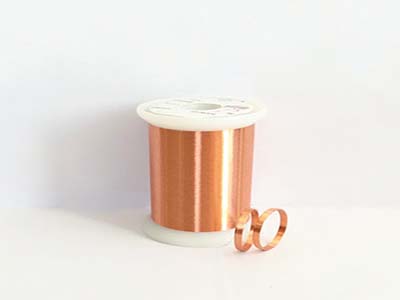
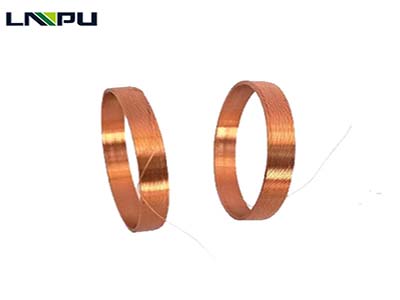
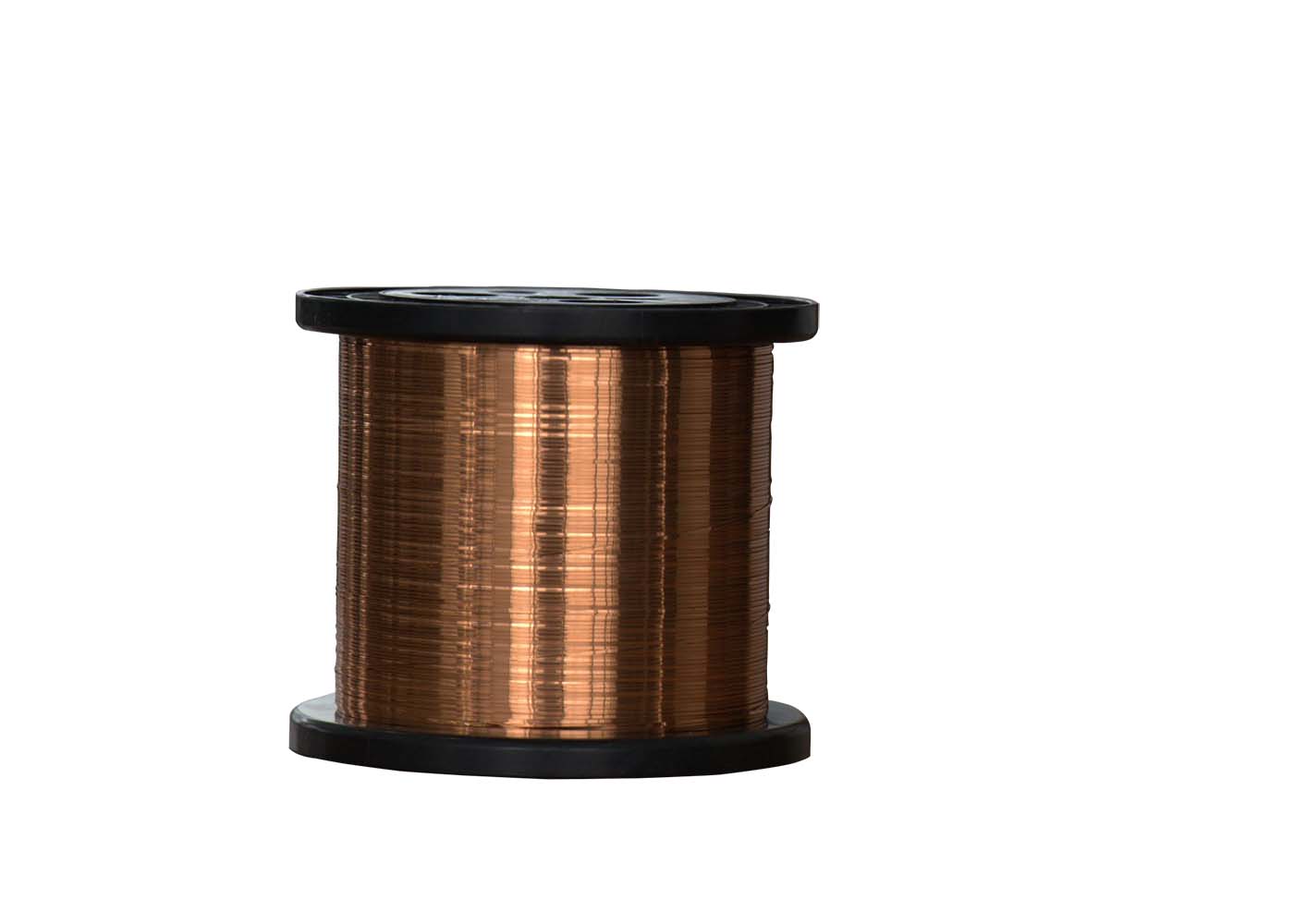
43 AWG enameled copper wire is an ultra-fine magnet wire widely used in precision electronics, micro-coils, and high-density winding applications. Due to its extremely small diameter and excellent insulation properties, it is ideal for industries requiring compact, high-performance electrical components.
Key Specifications of 43 AWG Enameled Copper Wire
| Parameter | Value |
| AWG Size | 43 AWG |
| Bare Copper Diameter | 0.0564 mm |
| Overall Diameter (Typical) | 0.060 – 0.065 mm |
| Insulation Type | Polyurethane / Polyester / Polyimide |
| Thermal Class | 130°C / 155°C / 180°C / 200°C |
| Conductor Material | 99.99% Pure Copper |
| Elongation | ≥ 15% |
| Breakdown Voltage | ≥ 1.5 kV |
| Resistance (20°C) | ~ 676 Ω/km |
| Insulation Thickness | Single / Heavy Build |
Applicable Standards
High-quality 43 AWG enameled copper wire must comply with international standards to ensure reliability and performance:
International Standards
IEC 60317 (International Electrotechnical Commission)
NEMA MW 1000 (North America Magnet Wire Standard)
JIS C3202 (Japanese Industrial Standard)
GB/T 6109 (China National Standard)
Key Compliance Requirements
Uniform insulation coating
High dielectric strength
Consistent conductor diameter tolerance
Thermal resistance stability
Chemical and abrasion resistance
Meeting these standards ensures the wire performs reliably in high-frequency and high-temperature environments.
Insulation Types and Thermal Classes
Different insulation materials are available depending on application requirements:
| Insulation Type | Thermal Class | Features |
| Polyurethane (UEW) | 130°C–155°C | Solderable, easy processing |
| Polyester (PEW) | 155°C | Good mechanical strength |
| Polyesterimide (EIW) | 180°C | High thermal resistance |
| Polyimide (AIW) | 200°C+ | high-temperature performance |
Polyurethane insulation is especially popular for 43 AWG wire due to its direct solderability, eliminating the need for stripping.
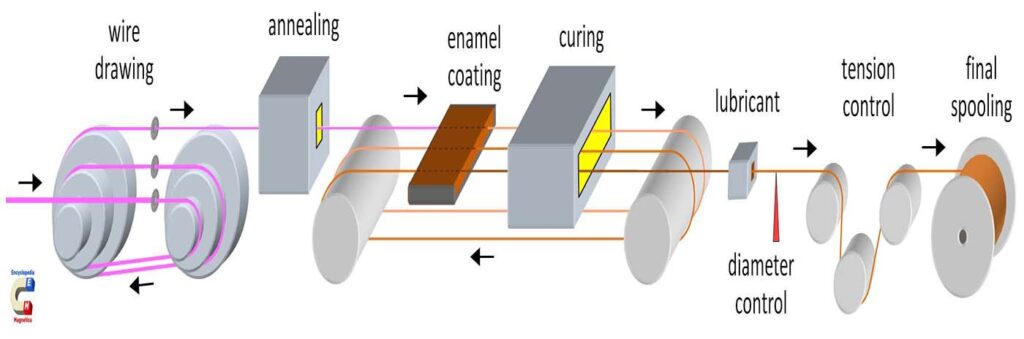
Manufacturing Process Overview
The production of 43 AWG enameled copper wire involves:
Copper Rod Drawing – Multi-stage drawing to achieve ultra-fine diameter
Annealing – Improves flexibility and conductivity
Enameling – Multiple coating layers applied uniformly
Curing – High-temperature baking for insulation strength
Quality Inspection – Spark testing, diameter check, elongation testing
Strict process control ensures consistent diameter and insulation integrity, which is critical for fine wire applications.